Rethinking Museums: Touch as a Gateway to Culture
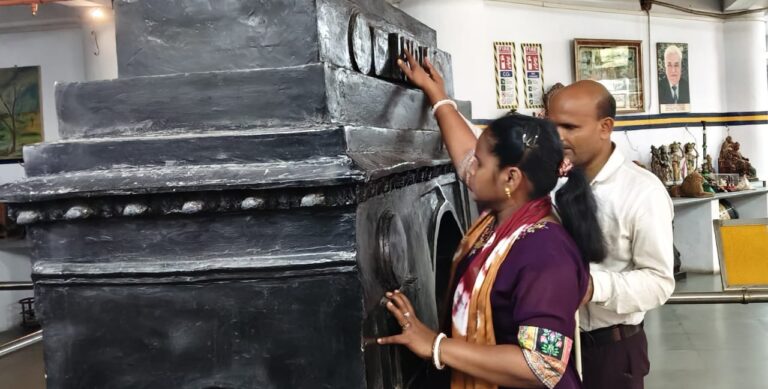
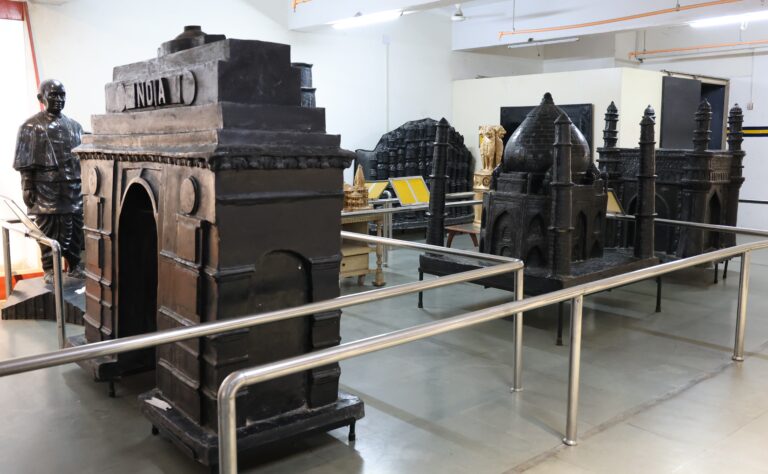
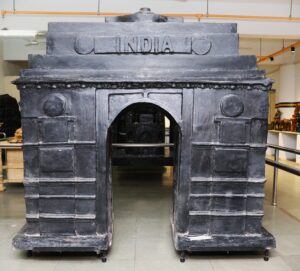
Ducking under, I passed through the ‘India Gate’ and moved on. You might ask— and rightly so — Aujasya, why were you ducking under the India Gate? Well, because I was not at the sandstone marvel in Delhi but at the entrance to the touch museum at the Blind People’s Association (BPA) in Ahmedabad.
So, what really is a touch museum? Most museums work on the principle of look but don’t touch, the rationale being the potential damage to artefacts. However, the issue with this is that people with visual impairment are inadvertently excluded from the experience of engaging with history. Touch museums emphasise tactile interaction with exhibits to better understand artefacts.
The touch museum is the result of a growing emphasis on making museum spaces more accessible and inclusive. Tactile engagement is just one of several methods being used to create more inclusive experiences. Audio guides and specially designed guided tours, for instance, are increasingly common. During a visit to the ‘Sea City Museum’ in Southampton, I found that every exhibit and section was accompanied by an audio guide providing detailed descriptions.
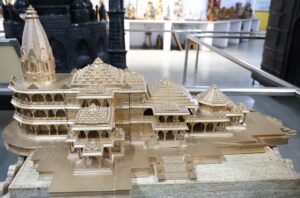
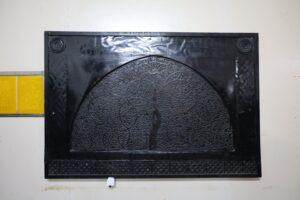
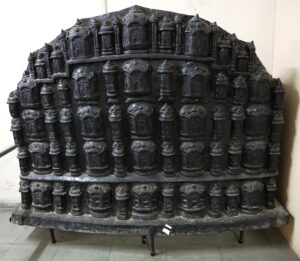
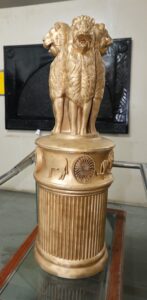
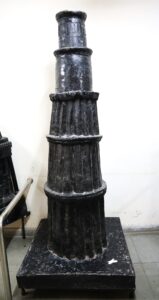
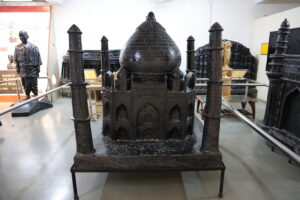
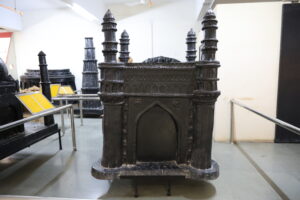
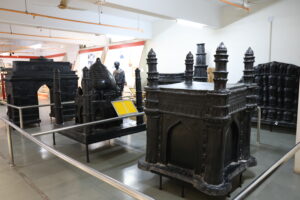
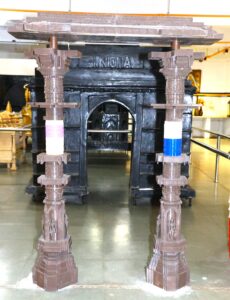
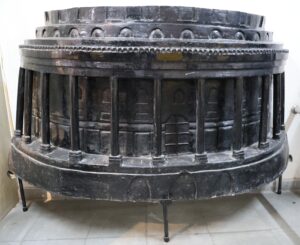
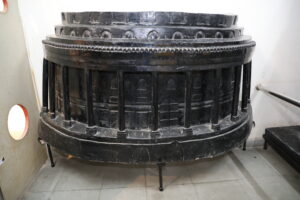
The conceptual focus of the touch museum at BPA differs from other museums. Built primarily for individuals with visual impairment, there is an underlying emphasis on accessibility underscored by tactile engagement with exhibits. The museum’s exhibits are miniature replicas of well-known Indian monuments, such as the Taj Mahal, the Statue of Unity, Qutub Minar, Hawa Mahal, Parliament House, Charminar, Ashok Stambh, Ram Mandir and Siddi Syed Ne Jali reproduced with great detail. Though small in scale, the exhibits aim to familiarize visitors with these monuments through touch and braille descriptions, which will soon be complemented by audio guides. Running one’s hand over the bumps and curves of a monument allow for a better understanding of its architectural design, structure and intricacies.
Along with the monument replicas, the museum houses a myriad of artefacts. Donated by patrons, these include terracotta pots, wooden sculptures, and bronze statues dating back to the Chola period. Visitors are encouraged to interact with the exhibits through touch. Set out in the open, the artefacts can be handled and studied up close, offering insight into their texture, construction, and artisanship behind them.
By emphasising touch over optics and experience over observation, the touch museum challenges the conventions of traditional museum spaces. Built on a foundation of accessibility, it redefines how we engage with culture and history. Touch, often discouraged in conventional settings, becomes a means of inclusion and deeper connection.
Aujasya Vashist
Student, Ashoka University